
"Understanding Eating Disorders Looking Beyond the Behavior" over a photo of a redheaded teen looking thoughtfully away from her mom in the background.

Understanding Eating Disorders: Looking Beyond the Behavior

When you or your child is struggling with food, whether that looks like purging, restricting, binge eating, and/or rigid exercise, it can be terrifying and confusing for parents. It can also feel deeply isolating for the person living inside the experience.

What we see on the outside is food behavior: increased rigidity around food, eating in isolation, eating large amounts of food, or purging. The behaviors can look or feel so baffling that it may be hard to get curious about what is happening on the inside. But having this understanding is key to long-standing eating disorder recovery. 

Most eating disorders serve some function, which means that they are “helpful” or serve a purpose for the person living with them. This may sound counterintuitive, because the behaviors can feel distressing and can be physically harmful. While the outcome is harmful, there is often a root need that it feels like the disorder is addressing.

Eating disorders are rarely about stubbornness or vanity

Eating disorder behaviors are the tip of the iceberg. These behaviors can look willful, defiant, obsessive, or confusing. But they are rarely about stubbornness or vanity. They are usually nervous system strategies.

When a child (or adult) cannot eat, eats beyond fullness, purges, or restricts, their body is often trying to regulate something overwhelming inside.

The nervous system is the hidden driver. Our nervous system is constantly scanning for safety or danger. This process happens automatically and below our conscious awareness.

Eating disorders are a survival response

When our nervous system is well regulated and feels safe, we can eat with flexibility, have awareness of hunger and fullness, digest food well, tolerate a wide range of emotions, and have the capacity for problem-solving.

In contrast, when our nervous system is in fight, flight, or freeze in reaction to distress, our brains and bodies do quite the opposite. Eating disorder behaviors often map directly onto these survival responses.

Not eating enough calories can subdue emotions

Dietary restriction, or not being able to eat enough, functions to dampen the nervous system over time, which reduces the intensity of our feelings. When the world feels chaotic, overwhelming or unpredictable, malnutrition can create a sense of safety and stability.

This is one of the reasons we think that anorexia nervosa often begins in early adolescence. During this time, lots of change is happening, including the onset of puberty. Additionally, the transition between high school and college represents another vulnerable period during which anorexia may emerge. 

Binge eating and purging can function to help reduce distress 

Binge eating is thought to be soothing when intense emotions crop up. In other words, food is used as an attempt to self-soothe or regulate distress. For someone who feels anxious, overwhelmed, depleted or lonely, eating can temporarily bring short-term relief. However, longer-term it makes one’s distress grow. 

Purging behaviors often follow intense nervous system activation, including overwhelm, shame, panic, or sensory overload. Purging can create a rapid physiological shift. It may temporarily reduce anxiety or provide a feeling of release. The body learns: This brings relief. And so the cycle repeats.

Similar to purging, rigid, compulsive or overexercising can create quick physiological changes. These changes include a release of endorphins and changes in dopamine and serotonin, which can improve mood. Exercise can create short-term relief from emotions such as anxiety, guilt, shame, stress or sadness. Because of this relief, the brain learns to repeat it, which leads to increased amounts of exercise. 

Understanding eating disorders is a key step in recovery

You or your child may be experiencing one or any combination of these eating disorder behaviors. The thing to remember is that eating disorder behaviors are serving some function. So, it makes sense that attempts to “have more willpower” or trying to abstain from the behaviors are often short-lived and ineffective. In fact, approaching eating disorders this way often causes an increase in shame, isolation and feelings of failure. 

Treating eating disorders usually utilizes a combination of insight-oriented & behavioral therapies. The goal of insight-oriented therapy is to develop a deeper awareness of unconscious patterns, past experiences, and internal conflicts that influence current problems. The goal of behavioral therapies is to identify, modify, and replace maladaptive behaviors with healthier ones by changing the learning and reinforcement patterns that maintain them. Both are needed to recover. 

Eating disorders are not just about food. They are about regulation, safety, and survival. If you or your teen are living inside this experience, your behaviors make sense in the context of your nervous system. They are not proof that you are broken or weak or that you failed as a parent.

Remember: recovery is possible.

Do you want to learn more about your treatment options? Sign up for a free consultation to learn more about how I can help you.

Do you want to earn continuing education credits that are affordable, complete at your own pace and relevant to your clinical work? Sign up for the Pelz Institute newsletter and get 10% off your first Pelz Institute course!

Nourish to Heal: How Eating Enough Supports Binge Eating Recovery

Nourish to Heal: How Eating Enough Supports Binge Eating Recovery

Eating more will likely help you reduce binge eating.

This feels counterintuitive and is certainly not what the weight loss industry or the medical community typically advises, so I know this recommendation can feel very scary. 

The weight loss industry provides “tricks” to reduce binge eating, usually focusing on how to limit consumption of certain foods. However, rather than helping navigate binge eating, it often fuels and perpetuates binge eating. Science has taught us that dietary restriction is a risk factor for developing an eating disorder, including binge eating. Dietary restriction also maintains the eating disorder–in other words, a restrictive diet keeps the disorder going. 

Binge eating can cause significant distress to those who are experiencing it, so understandably, you would do almost anything to stop it. 

First, we need to normalize binge eating. Most humans experience eating episodes related to emotions, as eating can be a common way we cope with and regulate emotions. If you have sensory and neurological differences, including anxiety or ADHD, eating can be a useful tool to help you feel more comfortable. 

We hear harmful messages in our culture about binge eating: that it means something negative about us, or that we “have no will power or we are not disciplined enough”.  Of course, we then internalize these messages, meaning we believe these untrue messages about ourselves, further disconnecting us from self. 

Let’s take a closer look at why eating more helps to reduce binge eating.

Our brain’s primary job is to keep us alive. We need food to survive. Most of us experience pleasure from eating (That’s our brain’s way to ensure that we eat!).

If your meal gets delayed for some reason, you feel really hungry, often leading to feeling “hangry” (hungry & angry–that grumpy feeling we get when we’ve gone too long without food)-our body’s cue to eat. Consequently,  you might eat quickly and possibly more than usual. This is our body’s nifty mechanism to keep us alive. 

Many people who experience binge eating try to limit their food intake or the types of food they typically binge on. This makes perfect sense given the messages about food in our culture. But dietary restriction is eating less food than your body needs. An example of dietary restriction may be “I am going to eat out for lunch, so I’ll skip or have a ‘light’ breakfast”.  This simple act, which our culture often rewards, sets our body’s drive up to alert us to eat.

Dietary restriction is a key feature in what initiates and sustains eating disorders. 

Herman and Polivy coined the term dietary restraint in the 1970s. It suggests that when human eating behavior is under cognitive control, it reduces the ability to read internal satiety cues. 

In other words, simply thinking about restricting food types and amounts can lead us to eat past fullness. Dietary restraint is the key feature of EVERY DIET. And dietary restraint is a significant risk factor for developing an eating disorder. 

What can be done? 

Many clients who experience binge eating also experience dietary restriction and restraint–the natural reaction is often to focus on eliminating binge eating by using more dietary restriction and restraint. Again, this makes sense given diet culture and our medical system. However, it often maintains the eating disorder. 

One of the first steps in my work with clients is to gradually reduce dietary restraint and restriction. I can understand that this can feel very scary. 

In sessions, we explore your personal story and understand where you learned about dietary restriction and restraint.  We then consider if it makes sense to approach things differently.  

We do work on reducing binges, but that typically comes later in treatment. First, dismantling the restriction and restraint is needed to reduce binge eating. 

If you want to learn more about binge eating, I highly recommend this book. Additionally, Decolonizing Wellness is an excellent resource. If you would like to learn more about how I work with clients struggling with binge eating, the first step is to schedule an initial consultation. I would love to hear from you. 

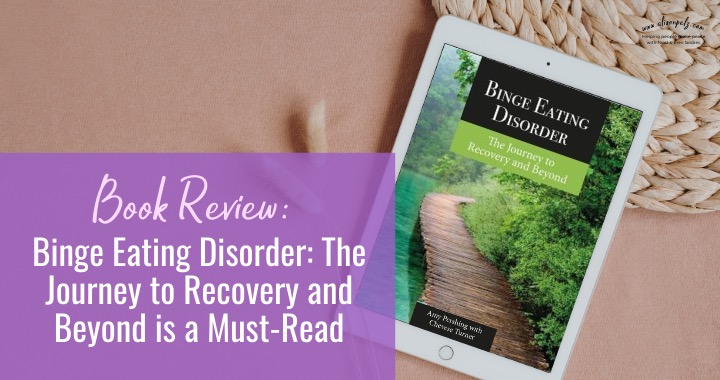
Book Review: Binge Eating Disorder: The Journey to Recovery and Beyond is a Must Read

Book Review: Binge Eating Disorder: The Journey to Recovery and Beyond is a Must Read

Binge Eating Disorder: The Journey to Recovery and Beyond by Amy Pershing with Chevese Turner, seamlessly blends clinical knowledge with the lived experiences of those affected by BED. It is an invaluable guide for individuals experiencing BED and their families. It is divided into three parts: understanding BED, addressing its root causes, and finding sustainable recovery strategies. This book is a must-read for anyone looking for an insightful and compassionate resource on binge eating disorder (BED).

Understanding Binge Eating Disorder

Binge eating disorder (BED) is the most common eating disorder. It can develop at any age, often in childhood, and can impact people across diverse identities and backgrounds. It is characterized by recurrent episodes of eating unusually large amounts of food in a short period, accompanied by feelings of loss of control. 

BED affects an estimated 2.8 million individuals, making it the most prevalent eating disorder in the United States. Despite its high prevalence, BED often goes undiagnosed or misunderstood, in part due to societal weight bias and outdated treatment paradigms. 

Understanding Binge Eating Disorder Symptoms

BED is not a one-size-fits-all diagnosis. And can often affect people in unique ways, but some hallmark symptoms are commonly observed. Which include:

  1. Frequent Episodes of Binge Eating:
    • Consuming more food than most people would in a similar time frame and situation.
    • Feeling unable to stop eating during a binge episode.
  2. Emotional Distress Around Eating:
    • Intense feelings of shame, guilt, or embarrassment during or after binge episodes.
    • Experiencing disgust or self-loathing related to eating habits.
  3. Behavioral Indicators:
    • Eating rapidly or at an unusually fast pace.
    • Eating until uncomfortably full.
    • Consuming large amounts of food even when not physically hungry.
    • Preferring to eat alone to hide the behavior from others.
  4. Physical Symptoms:
    • Fluctuating weight due to consistent overeating and undereating.
    • Gastrointestinal discomfort or other health issues linked to excessive eating.

If these symptoms occur at least once a week for three months, it could indicate BED, and you should talk to a trusted care provider.

Who experiences Binge Eating Disorder?

BED doesn’t discriminate—it can affect people of any age, gender, race, or socioeconomic background. Please note that people of all body sizes can experience binge eating disorders. 

Why is Binge Eating Disorder: The Journey to Recovery and Beyond by Amy Pershing with Chevese such a powerful resource?

  1. It Addresses the Root Causes:
    Authors Chevese Turner and Amy Pershing provide a thorough explanation of how the diet industry, weight bias, and weight stigma all work together to contribute to the development and persistence of eating disorders. Many individuals with BED have endured significant weight stigma and bullying. Which often begins in childhood. Tragically, these experiences are pervasive in peer groups, families, and healthcare settings. In an attempt to avoid further stigma, many people turn to dieting as a way to change their bodies. Unfortunately, this often worsens their relationship with food and deepens the cycle of disordered eating. It is estimated that up to 70% of those experiencing binge eating pursue weight loss services, often making the eating disorder worse. They also delve into systemic oppression and its role in fostering BED.

    The book also makes it clear that effective treatment for BED lies in psychological support and nutritional rehabilitation—not weight loss interventions.

  2. It Makes Sense of Binge Eating:
    Within the chapter “How BED Happens and Why It Makes Sense” Pershing and Turner offer a groundbreaking discussion of the nervous system and its stress response. They explain how binge eating functions as a coping mechanism, helping individuals feel safe during times of stress or overwhelm, which helps to make sense of binge eating as an adaptive (though ultimately unhelpful) response, which in turn can foster self-compassion and reduce the shame often associated with this behavior.
  3. It Offers Inspiring Personal Narratives:
    Chevese Turner courageously shares her story of binge eating, starting from her childhood experiences with food. Amy Pershing complements this narrative with her years of clinical expertise, sharing lessons from her work with clients in recovery. These interwoven stories remind readers that they are not alone in their struggles. By reducing isolation and shame, the authors create a sense of solidarity and hope.
  4. It Provides A Roadmap to Recovery:

    Binge Eating Disorder: The Journey to Recovery and Beyond offers a framework for improving readers’ relationships with both food and their bodies. Rather than prescribing rigid meal plans, it focuses on reclaiming a sense of self. Chevese Turner and Amy Pershing introduce concepts from Internal Family Systems (IFS) therapy, such as “parts work,” to help readers understand their binge eating behaviors and work toward recovery. They also address body shame and body image distress, reframing the body as a home—not an object to be judged, but a vessel for experiencing life, joy, and even pain.

    The authors critique diet culture and thin privilege, empowering readers to navigate these societal pressures while staying true to themselves.

  5. It Expands Perspectives:
    One of the book’s greatest strengths is its ability to broaden readers’ understanding of binge eating. Binge Eating Disorder: The Journey to Recovery and Beyond explores how societal and systemic factors influence BED.  This helps to shift the focus away from individual blame and toward a more compassionate, holistic view.

I wish I had discovered it earlier. So I could recommend it to more clients sooner. Those I’ve shared it with have found it incredibly helpful and affirming. If you are experiencing binge eating please consider reaching out for support.

Whether you’re a generalist clinician seeking to understand better binge eating disorder or an experienced eating disorder specialist, this book deserves a place in your professional library. Once you read it, you’ll feel confident recommending it to clients with BED—and they’ll thank you.