"Understanding Eating Disorders Looking Beyond the Behavior" over a photo of a redheaded teen looking thoughtfully away from her mom in the background.

Understanding Eating Disorders: Looking Beyond the Behavior

When you or your child is struggling with food, whether that looks like purging, restricting, binge eating, and/or rigid exercise, it can be terrifying and confusing for parents. It can also feel deeply isolating for the person living inside the experience.

What we see on the outside is food behavior: increased rigidity around food, eating in isolation, eating large amounts of food, or purging. The behaviors can look or feel so baffling that it may be hard to get curious about what is happening on the inside. But having this understanding is key to long-standing eating disorder recovery. 

Most eating disorders serve some function, which means that they are “helpful” or serve a purpose for the person living with them. This may sound counterintuitive, because the behaviors can feel distressing and can be physically harmful. While the outcome is harmful, there is often a root need that it feels like the disorder is addressing.

Eating disorders are rarely about stubbornness or vanity

Eating disorder behaviors are the tip of the iceberg. These behaviors can look willful, defiant, obsessive, or confusing. But they are rarely about stubbornness or vanity. They are usually nervous system strategies.

When a child (or adult) cannot eat, eats beyond fullness, purges, or restricts, their body is often trying to regulate something overwhelming inside.

The nervous system is the hidden driver. Our nervous system is constantly scanning for safety or danger. This process happens automatically and below our conscious awareness.

Eating disorders are a survival response

When our nervous system is well regulated and feels safe, we can eat with flexibility, have awareness of hunger and fullness, digest food well, tolerate a wide range of emotions, and have the capacity for problem-solving.

In contrast, when our nervous system is in fight, flight, or freeze in reaction to distress, our brains and bodies do quite the opposite. Eating disorder behaviors often map directly onto these survival responses.

Not eating enough calories can subdue emotions

Dietary restriction, or not being able to eat enough, functions to dampen the nervous system over time, which reduces the intensity of our feelings. When the world feels chaotic, overwhelming or unpredictable, malnutrition can create a sense of safety and stability.

This is one of the reasons we think that anorexia nervosa often begins in early adolescence. During this time, lots of change is happening, including the onset of puberty. Additionally, the transition between high school and college represents another vulnerable period during which anorexia may emerge. 

Binge eating and purging can function to help reduce distress 

Binge eating is thought to be soothing when intense emotions crop up. In other words, food is used as an attempt to self-soothe or regulate distress. For someone who feels anxious, overwhelmed, depleted or lonely, eating can temporarily bring short-term relief. However, longer-term it makes one’s distress grow. 

Purging behaviors often follow intense nervous system activation, including overwhelm, shame, panic, or sensory overload. Purging can create a rapid physiological shift. It may temporarily reduce anxiety or provide a feeling of release. The body learns: This brings relief. And so the cycle repeats.

Similar to purging, rigid, compulsive or overexercising can create quick physiological changes. These changes include a release of endorphins and changes in dopamine and serotonin, which can improve mood. Exercise can create short-term relief from emotions such as anxiety, guilt, shame, stress or sadness. Because of this relief, the brain learns to repeat it, which leads to increased amounts of exercise. 

Understanding eating disorders is a key step in recovery

You or your child may be experiencing one or any combination of these eating disorder behaviors. The thing to remember is that eating disorder behaviors are serving some function. So, it makes sense that attempts to “have more willpower” or trying to abstain from the behaviors are often short-lived and ineffective. In fact, approaching eating disorders this way often causes an increase in shame, isolation and feelings of failure. 

Treating eating disorders usually utilizes a combination of insight-oriented & behavioral therapies. The goal of insight-oriented therapy is to develop a deeper awareness of unconscious patterns, past experiences, and internal conflicts that influence current problems. The goal of behavioral therapies is to identify, modify, and replace maladaptive behaviors with healthier ones by changing the learning and reinforcement patterns that maintain them. Both are needed to recover. 

Eating disorders are not just about food. They are about regulation, safety, and survival. If you or your teen are living inside this experience, your behaviors make sense in the context of your nervous system. They are not proof that you are broken or weak or that you failed as a parent.

Remember: recovery is possible.

Do you want to learn more about your treatment options? Sign up for a free consultation to learn more about how I can help you.

Do you want to earn continuing education credits that are affordable, complete at your own pace and relevant to your clinical work? Sign up for the Pelz Institute newsletter and get 10% off your first Pelz Institute course!
Understanding ARFID in Adults

Understanding ARFID in Adults

When Avoidant/Restrictive Food Intake Disorder (ARFID) is discussed, the focus is often on children. Pediatric feeding clinics, early intervention models, and parent-led treatment approaches dominate the literature and training spaces. While this work is essential, it can unintentionally leave an important group of overlooked: adults with ARRID. 

People do not “grow out of” ARFID simply because they age. Many adults meet full diagnostic criteria, experience significant impairment, and struggle to access appropriate care, often because ARFID is still viewed primarily as a childhood condition.

ARFID started in childhood

If you are an adult with ARFID, your eating challenges may have started in childhood. In fact, you may not remember ever not struggling with food. Perhaps differences in your eating may have waxed and waned over the years–for some people with ARFID, when stress increases, their ability to eat decreases. 

As a child, you may not have gotten any help with your eating. Your parents may have asked your well-meaning pediatrician about your food selectivity, and the pediatrician may have offered advice along the lines of: “they will grow out of it.” Children often reject new foods at first, this is a normal part of learning to eat. In the case of ARFID, more often than not, children don’t naturally “grow out of it.” 

“When they get hungry enough, they will eat” is another piece of advice your parents may have received. Again, if you have ARFID, this advice doesn’t appear to be effective. Often, people who experience ARFID struggle to eat due to sensory differences, fear, and/or low hunger. Even when they may feel hungry, eating feels too overwhelming. 

ARFID started after a medical condition or traumatic experience with food

Your ARFID may have developed due to medical or chronic conditions that started in childhood or adulthood. For instance, gastrointestinal disorders (IBS, gastroparesis, heartburn, etc.), chronic nausea or vomiting, pain with eating or swallowing, and sensory differences, are a few common examples. 

ARFID can also develop if you had a traumatic event around food, such as a choking episode, allergic reaction, vomiting, or other medical emergency involving food. 

Over time, food avoidance may become reinforced as a protective strategy, thereby reducing discomfort, symptoms, or fear of symptom flare-ups. While initially adaptive, this avoidance can evolve into a rigid restriction that persists even when medical symptoms improve.

The medical community, family, friends, and our culture at large may have indicated that your eating challenges are “all in your head.” These messages are not true but often stigmatize eating and lead to an increase in shame and embarrassment, which can then function as a barrier to accessing treatment. Treatments such as CBT-AR and client-centered treatments that pay particular attention to sensory differences are being studied.

Socializing like dating, getting together with friends, and going to work or school events is often what brings adults into treatment. Reduction in socializing can lead to feelings of isolation, depression, anxiety, and low self-confidence. 

Wanting to increase body weight is another reason adults seek treatment. You may also be experiencing physical symptoms such as fatigue, low energy, and nutritional deficiencies. 

ARFID treatment

You are not “just a picky eater” or “difficult,” but rather you do deserve to receive care that addresses ARFID as a legitimate eating disorder. It is not too late to change your relationship with food and, most importantly, reduce feelings of shame about your eating. 

Do you want to learn more about your treatment options? Sign up for a free consultation to learn more about how I can help you.

Do you want to earn continuing education credits that are affordable, complete at your own pace and relevant to your clinical work? Sign up for the Pelz Institute newsletter and get 10% off your first Pelz Institute course!
A Note to Parents of Teens with Anorexia Nervosa

A Note to Parents of Teens with Anorexia Nervosa

If you’re reading this, chances are you’re scared, confused, and doing everything you can to help your teen who seems to be struggling with anorexia nervosa. Maybe you’ve noticed weight loss, increasing rigidity around food, or a once joyful child who now seems consumed by rules and restrictions. You’ve already tried reasoning, negotiating, and reassuring them, only to be met with resistance, tears, or even silence. You’re not alone—and you’re not to blame.

Eating Disorders Don’t Happen in a Vacuum

First, let’s clear some things up: eating disorders happen for a variety of reasons, and you did not cause this. Your child is not being difficult or manipulative. Anorexia nervosa is not a choice—it’s a serious mental illness, one that often emerges as a way to cope with overwhelming emotions, stress, or internal distress. While it’s common to want to understand the “why,” we’ve found that what’s often more helpful is understanding the “function” of the eating disorder.

Many teens develop anorexia as a way to regulate their nervous systems. It gives them a false sense of control, numbs emotions, or provides structure during times when life feels chaotic or uncertain. To you, their stressors may look like typical teenage challenges—school pressure, friendships, body changes—but to them, it may feel unmanageable. Anorexia becomes their coping strategy.

The First Priority: Nutrition

It’s completely understandable to want your teen to be motivated to recover. That desire is beautiful—and sometimes, they do. But more often than not, especially early on, they don’t. That’s because the eating disorder is serving a function that feels protective, even comforting. This is why insight is often low, particularly in the early stages. Your teen likely does not recognize the danger they’re in.

But as a parent, you must.

Malnutrition affects every system in the body—heart, bones, hormones, digestive system, and most importantly, the brain. When the brain is undernourished, it struggles to think clearly, manage emotions, and perceive risk. That means your child may not recognize how sick they are—or even that they’re sick at all. In this light, food is not just fuel—it’s medicine. Without nutritional rehabilitation, anorexia becomes more dangerous and more entrenched. Left untreated, it can be fatal.

Supporting Your Teen: Think “Food First, Life Second”

Your role as a parent is critical—and powerful. You don’t have to wait until your teen agrees there’s a problem. In fact, waiting can lead to more severe illness. Instead, treat this the way you would treat any other safety concern. If your child was struggling to breathe, you wouldn’t wait until they acknowledged the problem—you’d act. Anorexia nervosa requires the same kind of decisive care.

So what does that look like?

  • Offer three meals and three snacks a day. These should be complete, nourishing meals designed to support weight restoration and healing—not what your teen requests or feels “safe” eating. (Remember, the eating disorder is often dictating their choices right now.)
  • Before starting nutrition rehabilitation process, first get a full medical workup from your teens doctor, as they may be at risk for refeeding syndrome, which can be life-threatening.
  • Sit with them while they eat. This isn’t just about supervision—it’s about support. Offer to distract them if they’d like—scroll through social media together, play a card game, or watch a show. Distraction can be a helpful tool.
  • Validate, validate, validate. Acknowledge how hard this is. Say things like, “I know this is scary,” or “I can see how uncomfortable this feels.” Your calm, steady presence will help more than you know.

You’ve probably already tried to help your child eat more and have been met with pushback. That’s normal. Remember, the eating disorder is helping them cope, and asking them to let go of it—especially before they’ve learned other ways to regulate—is asking a lot. But with nourishment, the brain begins to heal. With nourishment, new coping strategies become possible.

You’re Not Alone

Recovery from anorexia is hard—but it’s possible. And no one should do it alone. Reach out to treatment professionals who understand eating disorders, and look for support groups for families walking the same path. Family-Based Therapy (FBT) is designed to support you as you support your teen.

Above all, remember this: your love is not enough to cure anorexia, but it is the foundation on which recovery is built. You can be firm and compassionate. And set boundaries and offer comfort. You can lead your teen through something they don’t yet want to leave behind.

You’re not failing. You’re fighting for your child’s life. And that matters more than anything else.

This article is meant to be educational about anoerxia nervosa, but it does not suffice as treatment. If you think your teen has an eating disorder, please seek a medical evaluation from your teen’s doctor. 

If you would like to connect about how I work with families, feel free to schedule a consultation here. 

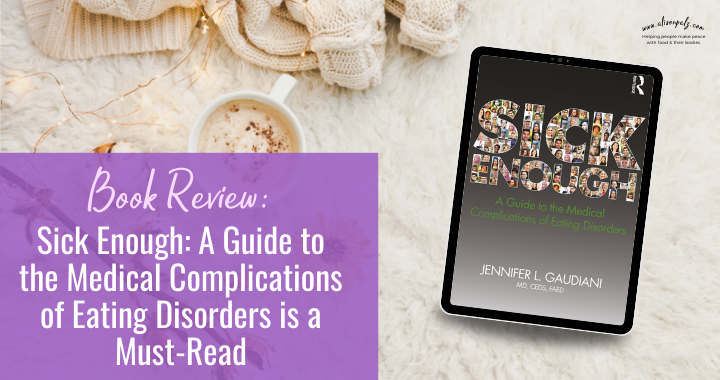
Book Review: Sick Enough A Guide to the Medical Complications of Eating Disorders is a Must-Read

Sick Enough: A Guide to the Medical Complications of Eating Disorders is a Must-Read

Sick Enough by Dr. Jennifer L. Guadiani is a great resource both for those experiencing an eating disorder and for those who love them.

This book breaks down complex medical topics into bite-sized pieces. It helps readers understand the real medical complications of eating disorders while addressing barriers to treatment.

Dr. Jennifer L. Gaudiani, author of Sick Enough, is a board certified-internal medicine doctor specializing in the treatment of eating disorders. She is also the founder of the Gaudiani Clinic: an outpatient medical practice specializing in the treatment of eating disorders. Before that work, she worked at ACUTE Center for Eating Disorders and Severe Malnutrition, which treats people with extreme medical complications of eating disorders. Dr. Gaudiani has spoken on this topic worldwide, is published in scientific journals and much more.

All people with an eating disorder deserve care and treatment. This is a simple but powerful idea that is reinforced again and again throughout Sick Enough.

Maybe you think your eating disorder “isn’t that bad”. Or feel like you don’t “look” like you have an eating disorder”.  Unfortunately, these are common beliefs. Many reasons contribute. Many folks who experience eating disorders feel or are made to believe that their disorder isn’t legitimate.  Maybe they don’t fit the mold of “type” of people who get eating disorders. Or they’ve experienced their eating disorder minimized by well-meaning but underinformed mental health providers, doctors, and even family members.

Eating disorders affect people’s physical health, not just their mental health. It is important to know how being underfed and undernourished can affect the body. People with bulimia, binge eating, and anorexia can experience these effects. Undernourishment can happen across the weight spectrum. It affects the digestive tract, mood, muscle tone, and much more.

Yes, Gaudiani emphasizes, all who experience eating disorders are “Sick Enough” to warrant treatment. 

Why read Sick Enough?

In Part I, “Not Enough Calories” Gaudiani initiates an important discussion on what happens to the mind and body when enough calories are not consumed over time. With intentionally dramatic and jarring chapter titles like “30,000 Foot View: What Happens When You Starve Yourself?,” and “Going Into Hibernation and The Empty Tank.

Gaudiani starts off by introducing the reader to the “cave person brain”.  This part of our brain regulates some of the most basic bodily functions. Furthermore, what our brains do to keep us alive when our body is underfed. She illustrates the devastating effects (regardless of body size) that not getting enough calories can have on both physical health and psyche.

Examining Unexplored Biases in Sick Enough:

Refeeding syndrome*, which describes the condition of introducing food too much too quickly to someone who has been malnourished. Refeeding can present a real danger to patients. Gaudiani takes time to explore how the more common, equally dangerous condition of “underfeeding” is historically overlooked in eating disorder treatment, largely due to weight bias in the field.

Genetic variability is another concept Gaudiani explores within Sick Enough. As clinicians we are often baffled when a client who suffers from a severe eating disorder gets their lab work back and it all looks “normal.”Many providers can also be shocked to learn a client has lost their menstrual cycle without appearing to have lost much weight. In exploring how different people react to inadequate food intake, Dr.Gaudiani gives a thorough discussion on genetic variability as a reason we see things like this.

The book’s final section dives into the relationship and intersection of eating disorders and different gender identities, sexual orientations, ages, and chronic health conditions like diabetes. Gaudiani wraps it all up by providing a brief discussion on caring for those who have long and enduring eating disorders, and those who decline eating disorder care.

Throughout the book Dr. Gaudiani weaves in critical discussions on weight bias and weight stigma, and how they function as barriers to accurate diagnosis, treatment and care, as well as diving into and deconstructing pseudo science popularized by diet and wellness culture.

Sick Enough may be a challenging read at times–it goes into detail about some of the more rare medical complications of eating disorders which feel daunting to the reader.

While Gaudiani does her best at acknowledging the complexities of eating disorders within various identities–something historically excluded from the eating disorder treatment space– most of these sections are brief and not in-depth. Missing entirely is a discussion on neurodiversity and how it can complicate eating disorders and eating disorder treatmentRDs for Neurodiversity and Eating Disorder and Autism Collective are resources outside the scope of this book to begin learning more about neurodiversity and how it impacts eating disorders.

Who is Sick Enough for?

  • Medical professionals
  • Those who are experiencing an eating disorder and their loved ones
  • Caregivers

Sick Enough is loaded with invaluable vignettes and metaphors that can be used with clients–as a therapist and dietitian, it helps me communicate and collaborate more effectively with my client and the whole treatment team, as well as helping me advocate for clients in spaces that aren’t eating disorders friendly.

If you are a clinician wanting to learn more about eating disorders and their treatment, sign up here to receive free eating disorder resources in your inbox.

As a therapist who is also a dietitian, I can help you understand what is going on from both angles. If you are in Texas and interested in working with me, click here to fill out a contact form. I would love to support you and your child on your journey to health.

*Please consult your doctor if you think you have an eating disorder before beginning treatment. 

Cover Image courtesy of Taylor & Francis, 2019

Supporting Your Child Through an Eating Disorder: A Guide for Parents

Supporting Your Child Through an Eating Disorder: A Guide for Parents

Feeling overwhelmed, frightened, and unsure of how to help when your teen is struggling with an eating disorder is a common and natural experience for parents. And while eating disorders are complex and often misunderstood, with the right resources and support, recovery is possible for your teen. And as a parent, you play a crucial role in your teen’s healing journey.

Below you can find compassionate guidance as well as therapist recommended resources to help you support your teen through their eating disorder recovery effectively.

Start With Understanding:

Eating disorders are complex, but that doesn’t mean they are unknowable. Education is one of the most powerful tools you have at your disposal, not only to help you find effective methods of support, but also to help expand your understanding of what causes and may impact eating disorders, so you can give informed care to your teen–rather than having to rely on guess work and risk causing harm. Understanding the nature of eating disorders and their impact on both physical and mental health can demystify the illness and empower you to provide informed support to your teen.

Here are some highly recommended resources to deepen your knowledge and help you in supporting your child:

When Your Teen Has an Eating Disorder by Lauren Muhlheim:

This book provides practical advice for parents navigating their child’s eating disorder, offering evidence-based strategies rooted in Family-Based Treatment (FBT) in a non-clinical manner so they’re accessible to the non-clinical reader. Muhlheim is the founder of Eating Disorder Therapy LA, an outpatient treatment center, has trained many clinicians and is a frequent speaker at eating disorder trainings and conferences. You can read my full review of this book, and why I consider it a must read here.

Sick Enough: A Guide to the Medical Complications of Eating Disorders by Jennifer Gaudiani:

Dr. Gaudiani’s offers a compassionate exploration of the medical side of eating disorders throughout Sick Enough, helping parents understand the seriousness of eating disorders and how to advocate for their child’s car by breaking down the impact of dietary restriction on your children’s bodies and brains, providing descriptions of common medical problems associated with eating disorders, as well as common co-occurring medical issues that complicate diagnosis and treatment.

Dr. Gaudiani is a board certified-internal medicine doctor who specializes in the treatment of eating disorders, as well as the founder of the Gaudiani Clinic: an outpatient medical practice specializing in the treatment of eating disorders, and a highly respected physician in the eating disorder community.

How to Nourish Your Child Through an Eating Disorder by Casey Crosbie and Wendy Sterling.

Authors Crosbie and Sterling are registered dietitians who specialize in the treatment of eating disorders. How to Nourish Your Child focuses on the Plate-by-Plate approach, a  resource which gives parents actionable steps to help their child restore nutrition-without counting calories or macros.This book helps parents answer the question, “what and how much should I be feeding my child,” especially for parents of teens with eating disorders.

Anorexia and Other Eating Disorders: How to Help Your Child Eat Well and Be Well By Eva Musby.

Eva Musby’s lived experience as parent supporting a teen daughter through in an eating disorder makes her book a wonderful resource. She provides invaluable tools for parents, including guidance on communicating with compassion, handling mealtime challenges, and navigating the emotional toll of supporting a child with an eating disorder. You can visit her website for free resources and updates.

Lean on Community

Try to remember that you are not alone in this journey. Many parents have walked this path and found solace, guidance, and strength in connecting with community and many who have found healing in connecting with others who understand your struggles.  Some places to start:

FEAST-ED.org:

F.E.A.S.T-ED (Families Empowered and Supporting Treatment of Eating Disorders) is an organization that offers resources specifically for parents and caregivers of children with eating disorders. Their community of parents provides support and shared experiences, and resources like forums, educational materials, and a library of researched back information

The Alliance for Eating Disorders Awareness:

This organization offers support groups, treatment referrals, and education for families. Their resources can help you find professionals and programs tailored to your child’s needs.

Practical Tips for Supporting Your Child Effectively:

  1. Practice Patience and Empathy: Recovery is a marathon, not a sprint. Validate your child’s feelings, even when you don’t fully understand them. If you want to learn more about why validation is important (and how to do it) in your child’s recovery I highly recommend this video on emotional coaching.
  2. Focus on Nourishment, Not Blame: Approach meals and food with a goal of healing and restoration, rather than criticism or punishment.
  3. Prioritize Your Own Well-Being: Supporting a child through an eating disorder is emotionally taxing. Seek support for yourself, whether through therapy, parent groups, or trusted friends.
  4. Communicate Openly With Your Child: Foster an environment where your child feels safe to share their thoughts and feelings without fear of judgment.

A Final Word

As daunting as this journey may seem, remember that recovery is possible. By equipping yourself with knowledge, support, and compassion, you can help your child reclaim their health and happiness. Keep taking it one step at a time, and don’t hesitate to reach out for help when you need it. You are not alone in this fight—and neither is your child.

Do you have a teen who is struggling with an eating disorder? Working with a therapist who is experienced in Family-Based Treatment can help. If you are in Texas and interested in working with me, click here to fill out a contact form.

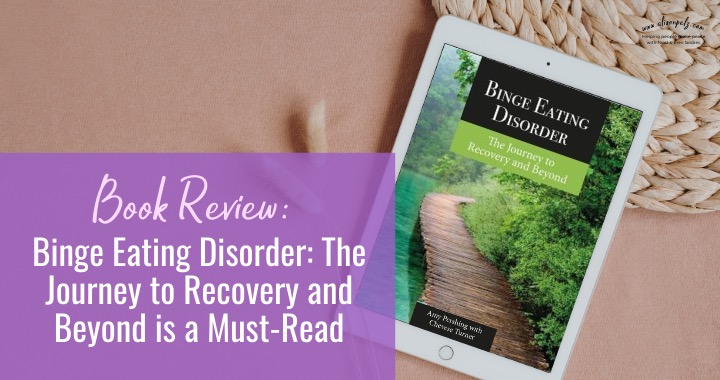
Book Review: Binge Eating Disorder: The Journey to Recovery and Beyond is a Must Read

Book Review: Binge Eating Disorder: The Journey to Recovery and Beyond is a Must Read

Binge Eating Disorder: The Journey to Recovery and Beyond by Amy Pershing with Chevese Turner, seamlessly blends clinical knowledge with the lived experiences of those affected by BED. It is an invaluable guide for individuals experiencing BED and their families. It is divided into three parts: understanding BED, addressing its root causes, and finding sustainable recovery strategies. This book is a must-read for anyone looking for an insightful and compassionate resource on binge eating disorder (BED).

Understanding Binge Eating Disorder

Binge eating disorder (BED) is the most common eating disorder. It can develop at any age, often in childhood, and can impact people across diverse identities and backgrounds. It is characterized by recurrent episodes of eating unusually large amounts of food in a short period, accompanied by feelings of loss of control. 

BED affects an estimated 2.8 million individuals, making it the most prevalent eating disorder in the United States. Despite its high prevalence, BED often goes undiagnosed or misunderstood, in part due to societal weight bias and outdated treatment paradigms. 

Understanding Binge Eating Disorder Symptoms

BED is not a one-size-fits-all diagnosis. And can often affect people in unique ways, but some hallmark symptoms are commonly observed. Which include:

  1. Frequent Episodes of Binge Eating:
    • Consuming more food than most people would in a similar time frame and situation.
    • Feeling unable to stop eating during a binge episode.
  2. Emotional Distress Around Eating:
    • Intense feelings of shame, guilt, or embarrassment during or after binge episodes.
    • Experiencing disgust or self-loathing related to eating habits.
  3. Behavioral Indicators:
    • Eating rapidly or at an unusually fast pace.
    • Eating until uncomfortably full.
    • Consuming large amounts of food even when not physically hungry.
    • Preferring to eat alone to hide the behavior from others.
  4. Physical Symptoms:
    • Fluctuating weight due to consistent overeating and undereating.
    • Gastrointestinal discomfort or other health issues linked to excessive eating.

If these symptoms occur at least once a week for three months, it could indicate BED, and you should talk to a trusted care provider.

Who experiences Binge Eating Disorder?

BED doesn’t discriminate—it can affect people of any age, gender, race, or socioeconomic background. Please note that people of all body sizes can experience binge eating disorders. 

Why is Binge Eating Disorder: The Journey to Recovery and Beyond by Amy Pershing with Chevese such a powerful resource?

  1. It Addresses the Root Causes:
    Authors Chevese Turner and Amy Pershing provide a thorough explanation of how the diet industry, weight bias, and weight stigma all work together to contribute to the development and persistence of eating disorders. Many individuals with BED have endured significant weight stigma and bullying. Which often begins in childhood. Tragically, these experiences are pervasive in peer groups, families, and healthcare settings. In an attempt to avoid further stigma, many people turn to dieting as a way to change their bodies. Unfortunately, this often worsens their relationship with food and deepens the cycle of disordered eating. It is estimated that up to 70% of those experiencing binge eating pursue weight loss services, often making the eating disorder worse. They also delve into systemic oppression and its role in fostering BED.

    The book also makes it clear that effective treatment for BED lies in psychological support and nutritional rehabilitation—not weight loss interventions.

  2. It Makes Sense of Binge Eating:
    Within the chapter “How BED Happens and Why It Makes Sense” Pershing and Turner offer a groundbreaking discussion of the nervous system and its stress response. They explain how binge eating functions as a coping mechanism, helping individuals feel safe during times of stress or overwhelm, which helps to make sense of binge eating as an adaptive (though ultimately unhelpful) response, which in turn can foster self-compassion and reduce the shame often associated with this behavior.
  3. It Offers Inspiring Personal Narratives:
    Chevese Turner courageously shares her story of binge eating, starting from her childhood experiences with food. Amy Pershing complements this narrative with her years of clinical expertise, sharing lessons from her work with clients in recovery. These interwoven stories remind readers that they are not alone in their struggles. By reducing isolation and shame, the authors create a sense of solidarity and hope.
  4. It Provides A Roadmap to Recovery:

    Binge Eating Disorder: The Journey to Recovery and Beyond offers a framework for improving readers’ relationships with both food and their bodies. Rather than prescribing rigid meal plans, it focuses on reclaiming a sense of self. Chevese Turner and Amy Pershing introduce concepts from Internal Family Systems (IFS) therapy, such as “parts work,” to help readers understand their binge eating behaviors and work toward recovery. They also address body shame and body image distress, reframing the body as a home—not an object to be judged, but a vessel for experiencing life, joy, and even pain.

    The authors critique diet culture and thin privilege, empowering readers to navigate these societal pressures while staying true to themselves.

  5. It Expands Perspectives:
    One of the book’s greatest strengths is its ability to broaden readers’ understanding of binge eating. Binge Eating Disorder: The Journey to Recovery and Beyond explores how societal and systemic factors influence BED.  This helps to shift the focus away from individual blame and toward a more compassionate, holistic view.

I wish I had discovered it earlier. So I could recommend it to more clients sooner. Those I’ve shared it with have found it incredibly helpful and affirming. If you are experiencing binge eating please consider reaching out for support.

Whether you’re a generalist clinician seeking to understand better binge eating disorder or an experienced eating disorder specialist, this book deserves a place in your professional library. Once you read it, you’ll feel confident recommending it to clients with BED—and they’ll thank you.